Why Choose Choa Chu Kang to Have Your Badminton Lessons

Badminton Lessons near Choa Chu Kang Singapore

Share This Post

Badminton Lessons in Choa Chu Kang

Finding the perfect location for your badminton lessons is crucial for enhancing your training experience and overall development in the sport. Choa Chu Kang, located in the north-western region of Singapore, stands out as an excellent choice due to its comprehensive amenities, recreational facilities, and vibrant community. This article explores why Choa Chu Kang is the ideal place for badminton lessons, focusing on Badminton Lessons in Choa Chu Kang.

Top-Notch Sports Facilities at Choa Chu Kang Sports Centre

Badminton Lessons in Choa Chu Kang Singapore

Embracing Nature at Choa Chu Kang Park

For those who appreciate nature, Choa Chu Kang Park is a significant attraction. This park offers green spaces and recreational activities, making it an excellent place to warm up before your badminton lessons or cool down afterward. The natural surroundings provide a refreshing escape from the urban environment, promoting a balanced lifestyle that integrates physical activity and relaxation. The presence of such a beautiful park in Choa Chu Kang adds to the appeal of the area for sports enthusiasts.

Case Study: Benefits of Training in Nature-Rich Environments

Expert Coaching for Badminton Lessons in Choa Chu Kang

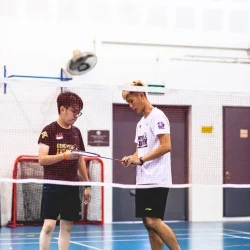
Choosing Choa Chu Kang for your badminton lessons means you have access to expert coaching that can significantly enhance your skills. At Dynamic Badminton Academy, our experienced coaches bring a wealth of national and international expertise to their training sessions. Whether you’re a beginner looking to grasp the basics or an advanced player aiming to perfect your technique, our professional coaches tailor their approach to meet your individual needs. Their guidance ensures that you make steady progress and reach your full potential in the game.

Building a Community of Badminton Enthusiasts

Engaging in badminton lessons in Choa Chu Kang connects you with a vibrant community of like-minded enthusiasts. The social aspect of playing badminton adds an element of fun and camaraderie to your training sessions. Interacting with fellow players helps you build new friendships and expand your network, creating a supportive environment where everyone encourages each other to improve and succeed.

Comprehensive Training Programs for Badminton Lessons in Choa Chu Kang

Leveraging Technology for Enhanced Badminton Training

Incorporating technology into sports training can provide significant advantages. At Dynamic Badminton Academy, we use video analysis tools to offer detailed feedback on your techniques, helping you understand and correct mistakes more efficiently. Our online resources and training modules provide valuable insights and tips, ensuring you have access to expert advice anytime, anywhere, further supporting your development as a player.

The Convenience of Choa Chu Kang for Badminton Lessons

Choa Chu Kang’s central location makes it incredibly convenient for those looking to incorporate badminton lessons into their daily routine. The Choa Chu Kang MRT and LRT stations, along with several bus routes, ensure seamless connectivity to other parts of Singapore. This ease of access means you can integrate your training sessions into your schedule without any hassle. Whether you’re commuting from work or home, getting to Choa Chu Kang is straightforward and convenient.

The Role of Community in Sports Success

A study focusing on community engagement in sports found that individuals who participate in community-based sports programs, like those in Choa Chu Kang, experience higher levels of motivation and success. The supportive environment and sense of belonging contribute significantly to their commitment and performance. This research highlights the importance of choosing a location like Choa Chu Kang, where community spirit thrives, enhancing your overall training experience.

Embracing the Lifestyle of Choa Chu Kang

Real Stories from Choa Chu Kang Residents

Consider the story of Mei Ling, a Choa Chu Kang resident who decided to take up badminton lessons in Choa Chu Kang to improve her fitness and meet new people. She found the perfect balance in Choa Chu Kang, where she could enjoy top-notch facilities, expert coaching, and a welcoming community. Mei Ling’s experience is a testament to how Choa Chu Kang’s unique environment can positively impact your badminton journey. Her progress and newfound love for the sport highlight the benefits of choosing a location that supports your athletic endeavors.

Conclusion: Elevate Your Badminton Skills in Choa Chu Kang

Leave a Reply

Your email address will not be published. Required fields are marked *

More To Explore

How Do Badminton Players React So Fast
Badminton Guide

How Do Badminton Players React So Fast?

How Do Badminton Players React So Fast? Badminton players react so fast because they do not rely on reflexes alone. They read their opponent’s body position, prepare the racket early, stay balanced and anticipate the most likely return before the shuttlecock is struck. At Dynamic Badminton Academy, we teach players that fast reactions begin before the shot happens. Court awareness, efficient footwork and repeated exposure to common rally situations help players respond earlier and move with greater confidence. Reaction Speed Begins With Anticipation Experienced players watch more than the shuttlecock. They observe the opponent’s grip, racket angle, shoulder position and contact point. These clues can indicate whether the next shot may be a clear, drop, smash, drive or net return. Anticipation does not mean guessing. It means recognising patterns and narrowing down the likely options. When players identify the probable direction early, they can begin preparing before the shuttlecock crosses the net. Beginners often react only after seeing the shuttlecock’s full path. Skilled players respond to the movement that produces the shot, giving them a valuable head start. A Strong Ready Position Reduces Reaction Time Players react faster when their body and racket are already prepared. A suitable ready position keeps the knees slightly bent, the weight balanced and the racket held where it can move quickly. Standing upright or allowing the racket to hang near the legs creates extra movement. Even a small delay matters during fast drives, defensive exchanges and net interceptions. We teach players to adjust their ready position according to the rally. A defensive position may be lower, while front-court players in doubles often keep the racket higher to attack loose returns. The Split Step Starts The Movement The split step is a small landing movement performed around the moment the opponent strikes the shuttlecock. It loads the legs and helps the player push quickly in different directions. Timing is important. Landing too early may make the legs static before the direction is known, while landing too late delays the first step. A split step does not need to be large. It should create balance, readiness and a quick change of direction. With practice, players can react without feeling as though they are starting from a complete stop. Early Racket Preparation Creates More Time Fast players prepare the racket before reaching the shuttlecock. This reduces the movement required at the final moment and allows them to focus on placement and timing. During drives and defence, the racket should generally remain in front of the body. For overhead strokes, players should raise the racket while moving into position rather than waiting until they arrive. Early preparation is especially important in doubles because rallies accelerate quickly. A player who reacts with the feet but leaves the racket behind may still contact the shuttlecock late. Efficient Footwork Makes Reactions Look Faster Reaction speed is not useful if the first movement is inefficient. Skilled players use short, explosive steps, maintain balance and avoid unnecessary movement when changing direction. They also recover after every shot. Returning towards a suitable base position reduces the distance required for the next movement and prevents large open spaces from developing. At Dynamic Badminton Academy, we combine reaction drills with footwork because the two skills cannot be separated. A player may recognise the shot early, but efficient movement is still required to reach it in balance. Players Learn Common Rally Patterns Badminton contains many recurring situations. A straight drop may lead to a net reply, a weak lift may invite a smash, and a defensive block may create a front-court opportunity. Through structured practice and match play, players become familiar with these patterns. Their response becomes faster because they have experienced similar sequences many times. Coaches can design drills around specific situations rather than feeding randomly. This helps players understand what to watch for, where to recover and which replies are most likely. Reaction Drills Build Faster Responses Reaction drills may include rapid feeds, alternating directions, drive exchanges, defensive blocks and visual cue exercises. The difficulty should match the player’s ability. Beginners may start with two possible directions, while experienced players can handle wider variation and higher feeding speed. The objective is to recognise the cue, move efficiently and maintain correct technique. Random drills are useful after players understand the movement pattern. Starting with excessive speed can cause panic, poor footwork and uncontrolled swings instead of meaningful reaction development. Fitness Supports Repeated Fast Movement Badminton players need more than one quick reaction. They must repeat explosive movements throughout rallies and matches while maintaining control. Leg strength, agility, coordination and cardiovascular fitness help players stay responsive as fatigue increases. Core stability also supports balance when lunging, jumping or changing direction. Training should progress gradually and suit the player’s age and experience. Regular sporting participation is also consistent with the active lifestyle encouraged by Sport Singapore. Experience Makes Reactions More Automatic Repeated practice helps movement patterns become more automatic. Players no longer need to consciously think through every grip change, step or racket movement. Technical actions then require less attention, leaving more mental capacity for reading the opponent and choosing a response. Match experience also teaches players how different opponents construct rallies. Over time, they recognise habits more quickly and adjust their position before the next shot arrives. Develop Faster Reactions Through Structured Training Badminton players react quickly because they anticipate, prepare early, use a split step and move efficiently. Their speed comes from trained habits, not natural reflexes alone. At Dynamic Badminton Academy, we develop reaction speed through technical coaching, footwork, feeding drills and match-based practice. Contact us to discuss suitable badminton lessons in Singapore and learn how to respond earlier during rallies. Frequently Asked Questions Can Beginners Improve Their Badminton Reaction Speed? Yes. Beginners can improve reaction speed through split-step practice, predictable feeding, visual tracking and simple directional drills. Training should begin slowly so players develop correct movement before progressing to faster and less predictable situations. Is Reaction Speed More Important Than Footwork? Reaction speed

Improve Hand-Eye Coordination For Badminton
Badminton Guide

Improve Hand-Eye Coordination For Badminton

How Can I Improve My Hand-Eye Coordination For Badminton? You can improve your hand-eye coordination for badminton by practising visual tracking, controlled racket contact, catching exercises, reaction drills and consistent shuttle feeding. The goal is to help your eyes recognise the shuttlecock’s path while your body and racket respond at the right time. At Dynamic Badminton Academy, we develop coordination gradually instead of immediately using fast, unpredictable rallies. Beginners usually improve more effectively when drills start slowly and become harder only after they can make clean, controlled contact consistently. Track The Shuttlecock From The Racket Good hand-eye coordination begins with watching the shuttlecock carefully. Beginners sometimes look only at where it is going to land or turn their attention towards the intended target too early. Try to track the shuttlecock from the moment it leaves your opponent’s racket until it reaches your own strings. Pay attention to its initial direction, height, speed and changing flight path. A shuttlecock can slow down and drop more sharply than a ball, so continuous tracking is important. The more closely you observe its flight, the better you become at predicting where and when to make contact. Practise Throwing And Catching Exercises Simple throwing and catching exercises can build coordination without requiring advanced badminton technique. They allow beginners to concentrate on recognising an object’s direction and moving their hands into the correct position. Start by throwing a soft ball or shuttlecock gently between both hands. You can then practise catching with one hand, alternating hands or catching after a bounce. A partner can vary the height and direction gradually. These exercises are particularly helpful for children and complete beginners who are still developing general movement awareness and reaction control. Keep The Racket In A Ready Position Hand-eye coordination becomes less effective when the racket begins too far away from the expected contact point. A low or late racket position creates unnecessary movement and gives you less time to react. Keep the racket comfortably in front of your body during drives, defence and net play. For overhead shots, prepare the racket early as you move behind the shuttlecock. Early preparation does not mean becoming tense. Your shoulders, arm and grip should remain relaxed so you can adjust the racket when the shuttlecock changes direction. Use Shuttlecock Tapping Drills Tapping drills help beginners understand the relationship between the racket face and the shuttlecock. Start by gently tapping the shuttlecock upwards using the forehand side of the racket. Once you can maintain several contacts, try using the backhand side or alternating between both sides. Keep the taps low and controlled rather than hitting the shuttlecock as high as possible. You can also move slowly while tapping. This develops control when the body is not completely stationary and prepares you for more realistic badminton movement. Begin With Slow And Predictable Feeding Random rallies may be too difficult when you are still developing coordination. A coach or partner should begin by feeding the shuttlecock at a consistent height, speed and direction. Predictable feeding allows you to practise watching the shuttlecock, preparing the racket and making contact in front of your body. Once this becomes reliable, the feeder can introduce small changes in placement. At Dynamic Badminton Academy, we increase the difficulty progressively. A player may begin with stationary feeds before adding footwork, alternating directions and faster sequences. Improve Your Footwork And Body Position Hand-eye coordination is not limited to the eyes and hands. Your feet must place your body within a suitable distance of the shuttlecock before the racket can make accurate contact. Use a small split step as your opponent or coach strikes the shuttlecock. Move towards its path and use adjustment steps to create enough space for the stroke. Avoid reaching excessively or allowing the shuttlecock to travel behind you. When your body is balanced and correctly positioned, your eyes and racket can coordinate more effectively. Add Reaction And Direction Drills Reaction drills train you to recognise information and respond quickly. A partner can point towards different court areas, call out directions or feed shuttlecocks to alternating sides. Beginners should start with two possible directions before progressing to four or more. The movement should remain controlled, as reacting quickly with poor technique may reinforce inefficient habits. You can also practise responding to visual cues while holding the racket in a ready position. These drills support the coordinated movement and active participation promoted by Sport Singapore. Focus On Clean Contact Rather Than Power Swinging too hard can reduce coordination because the movement becomes rushed and difficult to adjust. Beginners may also close their eyes, tighten their grip or lose sight of the shuttlecock when trying to generate maximum power. Use a shorter, smoother swing and aim for the centre of the string bed. Listen to the sound of contact and notice how the racket feels when the shuttlecock meets the strings cleanly. Once your contact becomes consistent, racket speed can increase gradually. Power should be added after coordination and timing become dependable. Practise Both Forehand And Backhand Control Players often develop better coordination on their forehand side because it feels more natural. However, badminton requires quick adjustments between forehand and backhand grips. Practise gentle feeds to both sides while keeping the racket in front. Concentrate on changing the grip early and presenting the correct racket face to the shuttlecock. Alternating forehand and backhand taps can also improve finger control. This helps you respond more naturally when the shuttlecock approaches different areas during a rally. Use Regular Short Practice Sessions Coordination improves through frequent, focused repetition. A short practice session several times a week may be more useful than one long session followed by an extended break. Spend a few minutes on tapping, catching, tracking or controlled feeding drills. Choose one clear objective for each practice instead of trying to develop every skill at once. Players should stop when fatigue causes their technique to deteriorate. Repeating inaccurate movements while tired may reduce the quality of the practice. Develop Coordination

Why Do I Keep Missing The Shuttlecock In Badminton
Badminton Guide

Why Do I Keep Missing The Shuttlecock In Badminton?

Why Do I Keep Missing The Shuttlecock In Badminton? You may keep missing the shuttlecock because your racket preparation is late, your contact point is inconsistent or your body is unbalanced when you swing. Beginners also tend to watch where they want the shot to go instead of tracking the shuttlecock until contact. At Dynamic Badminton Academy, we often see new players assume that missing is caused entirely by poor hand-eye coordination. Coordination matters, but the problem is usually a combination of timing, grip, spacing and footwork. Once these areas improve, clean contact becomes more reliable. You May Be Preparing The Racket Too Late Late racket preparation is one of the most common reasons beginners miss. When the racket starts moving only after the shuttlecock is already close, the swing becomes rushed and difficult to control. For overhead shots, turn your body and raise the racket before the shuttlecock reaches the hitting area. For drives and net shots, keep the racket in front so you do not need a large backswing. Early preparation gives you time to adjust to the shuttlecock’s speed and direction. It also makes the swing smoother and easier to repeat. Your Eyes May Leave The Shuttlecock Too Soon Beginners sometimes look towards the opponent’s court before making contact. They may be checking the target, watching the other player or anticipating whether the shot will land in. Keep your eyes on the shuttlecock until it meets the racket strings. You can choose the target earlier, but your attention should remain on the shuttlecock during the final part of the swing. This helps you judge distance and timing. It also reduces framing, where the shuttlecock strikes the edge of the racket instead of the string bed. Your Contact Point May Be Too Late A late contact point makes the shuttlecock difficult to reach cleanly. Overhead shots are especially challenging when it travels behind your head or drops too low. Try to contact overhead shots high and slightly in front of your body. Drives should usually be taken in front or beside you rather than after they have passed. Net shots also become easier when you reach forward early. The correct contact point gives you more space to swing and helps the racket face meet the shuttlecock at a predictable angle. Poor Footwork Can Put You Out Of Position You cannot hit consistently if your feet do not place your body within a comfortable hitting distance. Beginners often stretch, lean or swing while moving backwards, making clean contact much harder. Use a split step as your opponent strikes, then move towards the expected landing area. Take small adjustment steps as you approach instead of making one uncontrolled movement. Avoid standing directly underneath the shuttlecock because your racket needs space to travel. Good footwork helps you arrive balanced and recover after hitting. Structured physical activity and movement development are also encouraged by Sport Singapore. Your Grip May Be Restricting The Racket An unsuitable grip can make the racket face point in the wrong direction. Holding the handle too tightly also limits finger movement and slows down grip changes. Use a relaxed forehand grip for basic overhead forehand shots and change to a suitable backhand grip when the shuttlecock approaches your backhand side. Avoid using a frying-pan grip for every stroke. The racket should feel secure without being squeezed constantly. A relaxed grip helps you guide the racket face and make small timing adjustments before contact. You May Be Swinging Too Hard Trying to generate maximum power can cause beginners to swing too early, lose balance or close their eyes during contact. A faster swing also makes small timing errors more difficult to correct. Practise at a comfortable speed and aim to meet the centre of the string bed. A smooth half-speed stroke is more useful than a powerful swing that rarely contacts the shuttlecock. Once your timing becomes dependable, increase racket speed gradually. Power should develop from efficient technique rather than excessive tension in the arm and shoulder. You May Be Misjudging The Shuttlecock’s Flight A shuttlecock can slow down quickly and drop steeply. Beginners sometimes move too early or assume it will continue travelling at the same speed. Watch it from the moment it leaves the opponent’s racket. Pay attention to its height, speed and angle. With experience, you will recognise whether it is travelling deep, falling short or moving towards your body. Practising with different feeds helps you become familiar with varied trajectories instead of reacting to only one predictable shot. Use Simple Drills To Improve Contact Start with gentle hand feeds or racket feeds at a consistent height. Focus on preparing early, watching the shuttlecock and making clean contact rather than aiming for a difficult target. You can also practise self-feeding by dropping the shuttlecock and tapping it upwards. Cooperative rallies at a slow pace help develop rhythm without the pressure of winning. At Dynamic Badminton Academy, we adjust the feeding speed and direction according to the player’s ability. This allows beginners to succeed before progressing to faster feeds and more challenging movement patterns. Build Reliable Contact Through Structured Practice Missing the shuttlecock is normal when you are learning badminton. The solution is not simply to swing more often. You need to prepare early, track the shuttlecock, move into position and contact it at a comfortable height. At Dynamic Badminton Academy, we help beginners identify why they are missing and correct the problem through progressive drills. Contact us to discuss suitable badminton lessons in Singapore and build more confident, consistent contact. Frequently Asked Questions Is It Normal For Beginners To Miss The Shuttlecock? Yes. Beginners commonly miss because they are still developing timing, visual tracking, grip control and footwork. Regular practice with slower, predictable feeds helps players understand where and when they should contact the shuttlecock. Should I Watch The Racket Or Shuttlecock When Hitting? Keep your eyes on the shuttlecock until it reaches the racket strings. Watching the racket or looking towards the target too